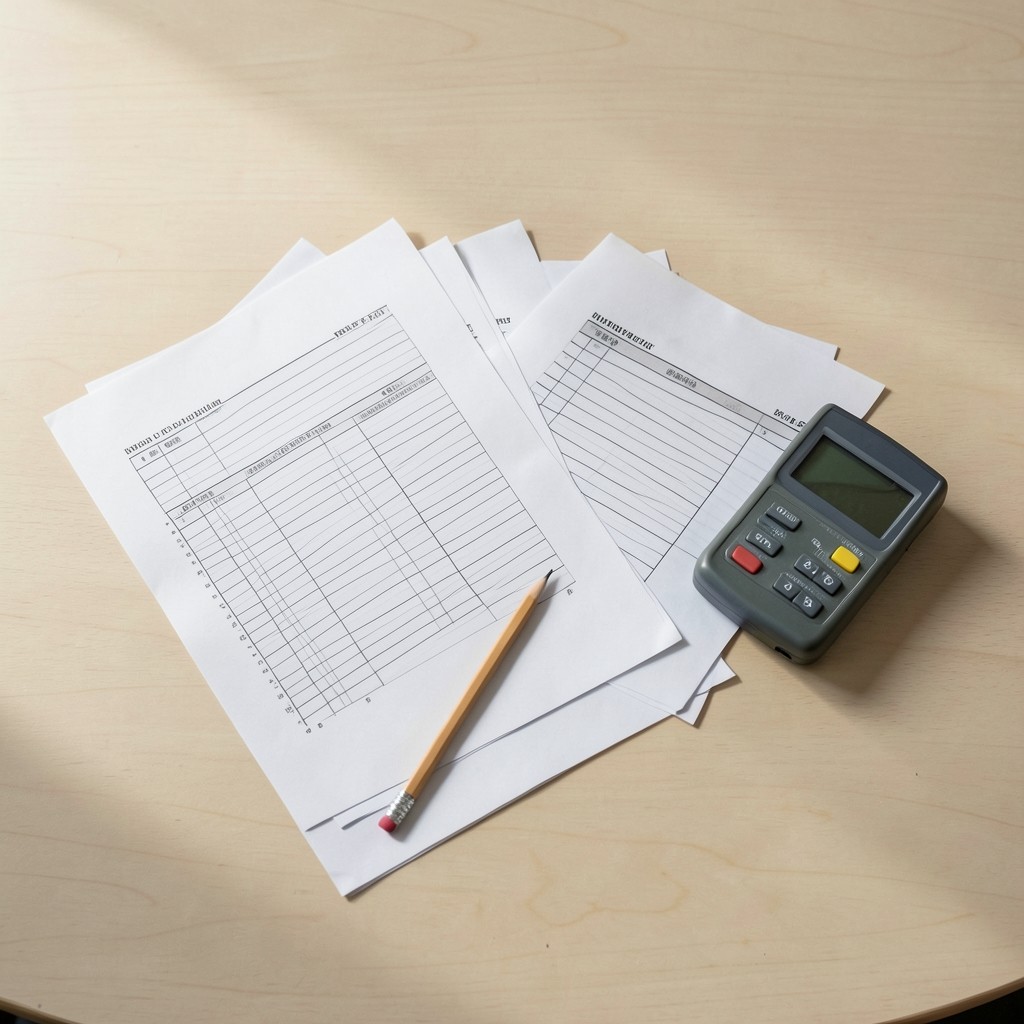
Birchfield’s electrics module still opens with paper worksheets. Students add diversity factors by hand, sketch distribution boards, and only then open calculation software to compare results.
The point is not nostalgia. When a clamp meter reading disagrees with a model, someone has to know which assumption failed — diversity, simultaneity, or a forgotten immersion heater on a timer.
In the storage and grid-integration block, the same discipline appears when students size battery depth of discharge against evening household peaks. Manual estimates reveal whether a proposed battery is serving self-consumption or merely filling a sales sheet.
Graduates tell us this habit travels well onto sites where signal is poor and decisions cannot wait for a perfect model refresh.