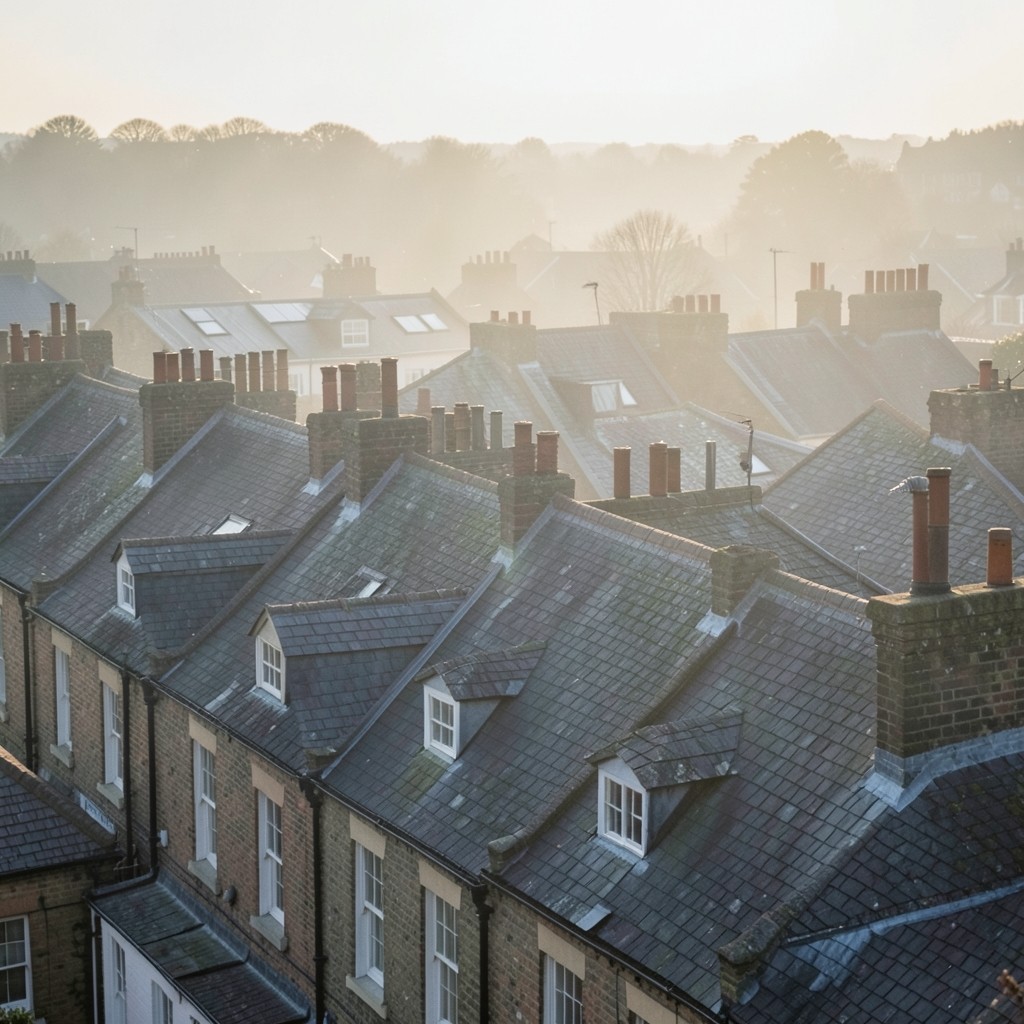
On a clear March morning along Yarm Road, a diploma group gathers with clinometers, a sun-path app used only as a cross-check, and a printed roof plan. The lesson is not to chase a perfect south-facing surface — it is to notice what the roof will actually allow.
First we mark ridge and eaves, then the chimney and dormer that cast afternoon shade across the western plane. Students sketch obstruction heights and estimate winter sun angles for Stockton latitudes. A modest east–west split often outperforms a crowded south array that fights the chimney all afternoon.
Back in the lab, the same roof becomes a stringing exercise. We compare module counts, inverter windows, and cable runs through the loft hatch. The written task asks for two options: maximum yield and a quieter layout that leaves access for future roof maintenance.
That habit — measuring first, drawing second, justifying the compromise — is the same discipline employers expect on domestic PV surveys across the Tees Valley.